Showing posts with label Health. Show all posts

Monday, May 9, 2011

Headaches in teens increase with stress

HeadAche
I just read an interesting study about teenagers with headaches. About one to two per cent of adolescents have chronic daily headaches, defined as greater than 15 headache days per month for more than three months.

Once school begins, teen stress levels increase with each week of school, and with that come more complaints of chronic headaches. It's not unusual for me to see several teens a week who complain that they have headaches every day.

Despite these persistent headaches, the majority of adolescents continue to participate in school activities, sleep well once they fall asleep, and spend their weekends doing whatever it is all teens do.

I see very few teenagers who look like they're in "severe" pain, although they may insist, "My head is killing me" while chattering away about where it hurts, how often it hurts, etc.

In these cases, it's important to obtain a good history to rule out any underlying pathology, as well as to inquire about family history of migraines.

In the study I reviewed, the authors followed adolescents ages 12-14 who met criteria for chronic daily headaches.

They followed the group after both one and two years, then again after eight years. The results showed that after one year, 40 per cent of the adolescents still complained of chronic headaches. After two years, only 25 per cent reported headaches.

After eight years, only 12 per cent of those studied reported chronic headaches. Most participants reported substantial or some improvement in headache intensity and frequency during the eightyear follow-up.

The most significant predictor for ongoing problems with headaches was the onset of chronic headaches before the age of 13. For the most part, 75 per cent of adolescents with chronic daily headaches improved over the eight-year period.

This study seemed to confirm that teens and headaches go together.

It's important to spend time with adolescents to explore ways to alleviate stress as a trigger for chronic daily headaches. Basic changes in lifestyle, such as healthy eating, regular exercise, and a good night's sleep, will often help reduce headaches.

Read more:

Wednesday, May 4, 2011

With asthma rates on the rise, here's how to manage symptoms

Asthma
The rise in asthma rates has researchers a bit baffled. But while they focus on figuring out the reason, people with asthma have more practical concerns: preventing and controlling asthma attacks.

Data released Tuesday from the Centers for Disease Control and Prevention show an increase in the number of Americans with asthma despite better air quality and a marked decline in smoking rates, as reported in the Los Angeles Times.

Doctors don't know how to prevent asthma because it's not clear what causes the disease — it may be caused partly by genetics and partly by exposure to irritants such as pollution and tobacco smoke. And there isn't a cure either.

But doctors know a lot about preventing asthma attacks — unpleasant, sometimes life-threatening bouts of coughing, wheezing and difficulty breathing.

One of the first steps is to clean the house of common triggers, according to the Asthma and Allergy Foundation of America.

Read More

Monday, May 2, 2011

Tradjenta Approved for Type 2 Diabetes

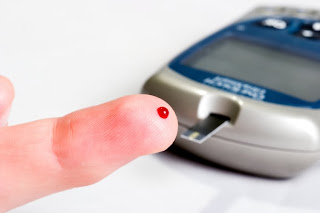
Blood Sugar
Tradjenta (linagliptin) tablets, combined with diet and exercise, has been approved by the U.S. Food and Drug Administration to control blood sugar in people with type 2 diabetes, the agency said Monday.
Click here to find out more!

People with type 2 diabetes don't produce the pancreatic hormone insulin, or don't respond to it properly. Insulin helps control the levels of sugar (glucose) in a person's blood. People with too much blood sugar at are risk of serious complications including heart disease, blindness, kidney damage, and nerve damage, the FDA said in a news release.

Type 2 diabetes is the disease's most common form, affecting up to 95 percent of the estimated 24 million people with diabetes in the United States, the FDA said.

Tradjenta boosts hormones that stimulate the release of insulin after a person eats. The drug was evaluated in clinical trials involving 3,800 people with type 2 diabetes. The most common adverse reactions reported included upper respiratory infection, stuffy nose, sore throat, muscle pain and headache.

Tradjenta should not be used by people with type 1 diabetes or by those who have above-normal levels of ketones in their blood or urine, the agency advised.

The drug is co-marketed by Ridgefield, Conn.-based Boehringer Ingelheim Pharmaceuticals and Indianapolis-based Eli Lilly and Co.

Sunday, May 1, 2011

Family meals benefit health of children

Healthy Family
A study in the journal Pediatrics finds that children and adolescents who share meals with their families at least three times per week are less likely to be overweight, eat unhealthy foods or be at risk for eating disorders.

"It tells parents what they can do to help in those nutritional issues with their children," said lead study author Amber Hammons, Ph.D., of the University of Illinois at Urbana Champaign.

"We understand that parents are really busy, and that's definitely one of the biggest problems that's cited by parents- that it's just so difficult to manage time to prepare it and then to get all the family members to be present," she said. "What this study is suggesting is that sitting down for three meals out of the week tends to show this significant benefit." The researchers examined 17 previous studies, which involved 182,836 children aged 2 to 17. Their findings reinforced the recommendation by the American Academy of Pediatrics, as part of its campaign to prevent childhood obesity.

The researchers found that three or more family meals per week were associated with a 12% reduction in the odds for being overweight, a 20% drop in the odds of eating unhealthy foods regularly and a 35% reduction in disordered eating- including purging, the use of diet pills, skipping meals or the use of smoking cigarettes as a way to control weight.

Unhealthy foods included soda, fast food, fried food and sweets or candy.

In addition, the kids were 24% more likely to eat healthy foods like fruits and vegetables, breakfast and also more likely to take a multivitamin.

Read More

Friday, April 29, 2011

7 Ways to Sneak in Family Fitness

Family Fitness
We’ve all heard about the alarming rise in obesity in this country, but more widespread is the epidemic of couch-potatoitis that affects even those who aren’t overweight. Americans have become increasingly sedentary, spending their free time on things that involve no physical activity: video games, movies and TV, the Internet.

The Centers of Disease Control and Prevention recommends 30 minutes of moderate activity a day for adults and 60 for kids. But you don’t have to put your family members on a strict fitness regimen to boost their exercise quotient. Here are seven fun ways to get everyone up and moving.

Step it up.
Start a campaign to see which family member can take the most steps per day. The recommended number for adults is 10,000, but kids should do twice that amount. Buy everyone a pedometer (you can get them for under $10) and a small notepad to record where they walk and how many steps it took. Compare notes at dinner. You can hold contests or make a guessing game out of it: How many steps does it take to get from the kitchen to the laundry room and back?
Play games.
The next time you have a family game night, leave Monopoly on the shelf and grab Twister instead. Games don’t have to be sit-down affairs. Go for a round of Wii boxing or play a machine-dance game.
Be a citizen scientist.
Ever go out and record the colors of courting pigeons in your area? Or count the number of squirrels in your neighborhood? Through citizen science programs, your family members can become untrained “researchers” for a number of ongoing science studies, many of which involve outdoor activity. Visit the Science for Citizens website to see which programs are looking for volunteers.
Do the moonwalk.
Strolling around the neighborhood during the day is nothing special. Do it at night, and it’s an adventure. After dinner, grab a flashlight and hit the pavement for 30 minutes of walking, talking and stargazing. Be sure to return at least an hour before bedtime or nobody will be able to fall asleep!
Get handy.
Find a big project that everyone can participate in. Build a tree house, cut and haul firewood, paint a room, restore a piece of furniture. All that activity -- sawing, hammering, scraping, sanding -- is good exercise. Just don’t call it work.
Play tourist.
See your hometown or nearby city like a visitor would: Take a guided walking tour, visit the zoo, play in the park or go on a hike. Being a tourist always involves walking and physical activity, but it doesn’t have to include travel.

Read More

Brain health tip - eat protein for your brain

Brain health Tip
Brain health is more important than ever these days, especially with the increase in dementia, Alzheimer's Disease and autism.

Every Sunday and Wednesday this month, KHQA will bring you tips on keeping your brain in tip top shape.

This KHQA Safe Family Health tip comes from Dr. Daniel Amen, a psychiatrist and best-selling author of several books on brain health.

He says eating protein is critical for optimal brain health. And a lack of adequate protein can lead to problems with your mood, energy and metabolism.

Dr. Amen says it's important to eat protein at breakfast, because it increases attention and focus, which you need for work and school.

Read More

Thursday, April 28, 2011

Pepsi Plans Additional Price Increases

Pepsi
PepsiCo Inc. said it plans more price increases on its products this summer, but not enough to offset rising commodity costs amid a still-fragile consumer recovery.

The renewed price push comes after PepsiCo reported North American sales volume of its snacks and beverages rose 2% in the first quarter from a year earlier, despite a continued downturn at its smaller Quaker foods unit.

"We're trying to thread the needle and see how much pricing we can take,'' Indra Nooyi, chairman and chief executive, told analysts in a conference call Thursday.

PepsiCo said its "price mix" for North American beverages rose about two percentage points in the first three months of 2011 – about half from higher sticker prices and the rest from a shifting mix of products, package sizes and retail channels.

But management acknowledged it won't be able to fully pass higher input costs such as plastic for bottles or corn for chips through to consumers in the U.S. and elsewhere. It estimates the company's global commodity costs will increase by $1.4 billion to $1.6 billion this year – or as much as 9% of its annual $18 billion commodity cost base.

Read More

Keep active to keep your mind healthy

Healthy mind
Did you know that at least one in five adults in Northern Ireland may suffer from some form of mental health disorder in any year, and that one in four people in Northern Ireland are likely to experience depression?

These statistics prompted Sport Northern Ireland to launch Active People: Healthy Minds, a factsheet endorsed by the Public Health Agency (PHA), designed to promote the mental health benefits of being active.

Being physically active is a key element of living a longer, healthier and happier life. Staying active can help you keep your body and mind healthy and provide you with valuable opportunities for socialising with friends and meeting new people.

While regular participation in sport and physical activity help reduce your risk of physical diseases such as obesity, coronary heart disease and stroke, being active can also promote good mental health by:
• Improving your mood
• Enhancing your sense of well-being
• Reducing anxiety
• Combating negative emotions
• Improving self-esteem, body image and confidence and
• Protecting against depression

Sport Northern Ireland’s lottery funded initiative ‘Active Communities’ is designed to give people sporting and physical activity opportunities, with over 100 coaches and leaders working in communities, across a wide range of activities.

Read More

Tuesday, April 26, 2011

Toothless chemical law is toxic to the public's health

Toxic Chemicals
The American Academy of Pediatrics' recent statement urging the federal government to do more to protect pregnant women and children from toxic chemicals is getting lots of attention in the media. The more meaningful question is whether the safety push will get the attention it deserves from Uncle Sam.

The pediatric group's request is hardly outrageous. It asks that Congress make the archaic Toxic Substances Control Act live up to its original mission and protect Americans from potentially poisonous substances in our products.

As it stands now, the act is a joke. It hasn't been revised in any meaningful way since first passing congressional muster in 1976. Since then, tens of thousands of chemicals have been introduced into the environment through new products, and we know little to nothing about whether they are making us sick.

Read More
The act is our best chance of finding out, and making the manufacturing industry accountable, but that would require adding some teeth to a law this is mostly gums.

Out of about 80,000 chemicals being used by a host of manufacturers, the law has led to regulation on just five chemicals or chemical classes during the past 35 years. Some argue that the Toxic Substances Control Act is such a weakling that it couldn't even be used to ban cancer-causing asbestos.

Under the act, manufacturers are not required to test whether chemicals are safe before putting them in the products we use. That's a scary proposition given the increasing number of studies raising concerns about the behavioral, developmental and other health risks that may be associated with some chemicals, such as the ubiquitous bisphenol-A, or BPA, and phthalates found in many plastics.

The federal government isn't ignorant of these concerns. In January 2010, the U.S. Food and Drug Administration announced that, because of the potential human health impacts of BPA, it would study ways to reduce exposure to the compound in food packaging. Two months later, the U.S. Environmental Protection Agency added BPA to its list of "chemicals of concern" and announced a "BPA action plan" that included requiring manufacturers to provide test data to help determine the potential impacts of BPA.

HIV may be risk factor in heart failure

HIV
"Heavy alcohol consumption, which is more prevalent among HIV-infected people, is also an established risk factor for heart failure," the study authors write.

Adeel A. Butt from the University of Pittsburgh School of Medicine and colleagues analyzed data from HIV-infected and HIV-uninfected veterans enrolled in the Veterans Aging Cohort Study Virtual Cohort, the journal Archives of Internal Medicine reports.

The objective was to determine whether HIV infection was independently associated with an increase risk of heart failure (HF), according to a Pittsburgh statement.

A total of 8,486 patients were included in the analysis, of whom 2,391 were HIV- infected and 6,095 were HIV-uninfected. During the median (midpoint) 7.3 years of follow-up, there were 286 new heart failure events and 1,096 deaths.

"Participants with HIV infection were more likely to have Hepatitis C virus co-infection and cocaine abuse or dependence and higher reported rate of current smoking, but were less likely to have hypertension or diabetes," the authors report.

Read More

Monday, April 25, 2011

Simple Ways to Keep Your Brain Sharp, Healthy

Brain
From a glance at the magazine stands, Americans appear obsessed with losing weight, cutting their cardiac risks and seeking to improve their odds against cancer. But where’s the focus on brain health?

The brain always has been mysterious and many people seem to believe little can be done to keep it sharp or to reduce its risk of injury and disease. Too many of us think it’s a matter of our genes or happenstance as to what occurs with memory loss, brain tumors, strokes and other disorders of the brain.

This may be true to some extent but the same might also be said of heart ills and many cancers. And while there may be familial predispositions, this doesn’t diminish the need to take steps to improve health and reduce risk.

Keith L. Black, M.D., chairman of the Department of Neurosurgery at Cedars-Sinai Medical Center and director of the Maxine Dunitz Neurosurgical Institute, says Americans can do more to keep their minds sharp and brains healthy even as they age. His suggestions include: the simple and obvious (wear a helmet for sports); the simple and less obvious (eat certain foods to properly fuel the brain); and the simple and more obscure (could your cell phone use affect your risk of brain tumor?).

The theme is “simple” – these are changes most people can work into their everyday lives. Examples include:

Find a puzzle and solve it. The brain appears to respond to “exercise” – challenges that help keep it nimble. Whether games and puzzles help delay onset of dementia is the subject of debate and research. But people who keep busy with activities they enjoy – knitting, learning languages, reading – seem to have less memory impairment in later years. Hard scientific evidence may yet come; keeping your mind active through “play” and activity certainly won’t hurt in the meantime.

Read More

Make sure hospital stay doesn’t leave you sicker

Hospital
Going to the hospital isn’t supposed to make you sicker. But for an alarmingly high number of Americans, it does.

Medical errors occur during as many as one of every three hospital stays, and about 7 percent of those patients die or are permanently harmed as a result, according to a study published in the journal Health Affairs.

Health-care facilities bear the bulk of the responsibility for preventing hospital-acquired infections, medication mix-ups and other errors by adhering to evidence-based best practices.

The federal government has stepped up its efforts to prevent errors by refusing to reimburse hospitals for the extra costs associated with certain hospital-acquired conditions and by making public individual hospitals’ rates of these conditions. In addition, the Obama administration announced this month it is working with hospitals and private insurers on a new initiative that aims to cut preventable medical errors by 40 percent over the next three years.

There are also things patients can do to reduce their risk of being the victim a medical error. Here are a few tips from the Agency for Healthcare Research and Quality, as well as local and national patient safety groups:

Read More

Smoking ban could expand

smoke
Smokers could no longer light up legally in any part of the municipal park system under a proposal city officials are considering.

If enacted in full, the ban would cover all outdoor areas across a system that encompasses about 175 parks and other recreational facilities, including greenways and trails.

Cone Health Foundation recently asked the city parks and recreation commission to make the system “100 percent tobacco free” in line with findings by the Office of the Surgeon General and Centers for Disease Control on the dangers of secondhand smoke.

“We have more than 4,000 acres of beautiful public parks in Greensboro,” said Susan F. Shumaker, foundation president. “Our policies should protect the right to breathe safely and promote using these healthy parks.”

Read More

Thursday, April 21, 2011

Be a healthy bride on your wedding day

bride
Planning and preparing for the perfect wedding can tax even the toughest bride-to-be, but it's important not to lose sight of physical and emotional well-being, experts say.

Instead of thinking about our health, “we're often fixated on either a number on a scale or how we're going to look in a dress,” said Ashley Koff, a registered dietitian from The CW reality show “Shedding for the Wedding.”

Koff recommends keeping the body well-fueled — eating roughly every three hours — instead of depriving yourself and becoming tired and cranky.

Cutting some calories is OK, but leave in some carbohydrates, some protein, some healthy fat and plenty of vegetables, Koff said in a telephone interview from Los Angeles. She'll appear this summer in Lifetime's “Love Handles,” a reality weight-loss show for couples.

Every eating occasion need not be a full meal, Koff said. In between, the bride-to-be might have a healthy smoothie or a bowl of puréed tomato soup or a small latte with a handful of nuts, she said.

Think about “what's available and how do I make the best quality choice and what does my body need?”

Read More

Tuesday, April 19, 2011

Building Self Confidence


1.Full trust; belief in the powers, trustworthiness, or reliability of a person or thing: We have every confidence in their ability to succeed.

2.Belief in oneself and one's powers or abilities; self-confidence; self-reliance; assurance: His lack of confidence defeated him.

3.Certitude; assurance: He described the situation with such confidence that the audience believed him completely.

How often do you second guess yourself or lack confidence. Do you easily put full trust in someone else; your mother, husband, teacher or doctor but find it difficult to trust yourself? I love the third definition from above "assurance" what a wonderfully strong characteristic, do you desire it? If you think that you lack confidence, and you probably do because most people do, then I offer a couple suggestions that will direct your attention to building a foundation of confidence in yourself.

Perhaps you are unsure if you lack confidence, if so ask yourself a couple of question to determine your confidence level and the areas where you are submissive and lack trust in yourself.

Read More

Monday, April 18, 2011

Green Tea and Tai Chi Improve Bone Health and Decrease Inflammation

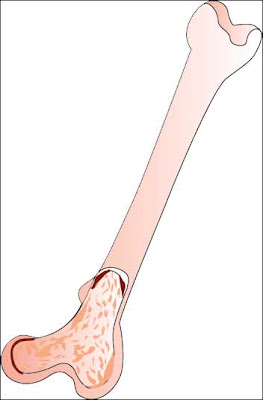
Bone Structure
A researcher at the Laura W. Bush Institute of Women's Health at Texas Tech University Health Sciences Center, Dr. Chwan-Li Shen, counts herself among those who believe that green tea has health benefits that include improving bone strength. In her most recent research, Shen studied whether green tea and tai chi might have a synergistic effect on bone strength. The double-blind, placebo-controlled study involved 171 postmenopausal women who had weak bones but who did not yet have osteoporosis.

The study participants were divided into 4 groups and received one of the following: placebo and no tai chi, green tea polyphenols (500 mg/day) and no tai chi, placebo plus tai chi (3 times/week), or green tea polyphenols and tai chi. Results from the 6-month study revealed that green tea, at a level that was equal to about 4-6 cups of steeped green tea daily, and tai chi independently improved markers of bone health at 3 and 6 months, respectively. There was a similar effect found for muscle strength at 6 months. Mental and emotional health improved among tai chi participants as well

Read More

Friday, April 15, 2011

With diabetes, save a leg, save a life

Save Leg
Each year in the U.S. diabetes results in the amputation of about 65,700 legs or feet. About 85% of those began with a diabetic foot ulcer. And for Dr. David Schwegman, the mission to educate people about the issue is personal.

His father, a diabetic, had a foot ulcer that resulted in the amputation of his left leg, which contributed to his death, his son said.

"He became a statistic," Schwegman said. "He was one of the 50% of people that died within five years after having an amputation."

Diabetic foot ulcers, or DFUs, are usually located on the ball of the foot, the bottom of the big toe or sides of the feet. They can be a result of neuropathy, or nerve damage which leads to a loss of feeling.

Although prevention is key, simply not treating an ulcer can lead to infection, particularly in the bone, and eventual loss of a limb.

"If you have a DFU that leads to a major amputation, your risk of death in five years is greater is higher than that of breast cancer and prostate cancer combined," Schwegman said.

"This is a very, very serious health problem that has very serious risks if not dealt with properly and quickly," the doctor said. "In order to do that, we really need to get the word out to both the patients and the physicians."

Read More

Use Your Phone as a Calorie Counter

Calorie
These days it seems like you can do everything on your phone. Want to make sure your seafood isn’t too high in mercury? There’s an app for that. Want to do some yoga and have a Droid? There’s an app for that, too. Want to take SHAPE magazine with you everywhere you go (of course you do!)? Yep, again, an app for that! But a new iPhone app is making waves in the healthy eating world: a calorie counter that promises to calculate nutritionals just from a photo.

Just released earlier this week, Meal Snap works like this: First you take a photo of your meal with your cell phone. Then, if you want, you can add a descriptive caption. Next, the system somehow calculates the nutritional breakdown of what’s in your meal, sending you a message back with the facts on your food. The app also keeps track of your meals and calorie counts over time, can share your eats on social media sites like Facebook, and allows you to view estimated calories for each meal and for entire days. All of these tools, according to the manufacturer Daily Burn, help you to better manage your weight and help you hit your nutritional goals for the day.

While the site claims that “magic” is behind the calorie counts you get back, I’m guessing that there’s actually a team of people who work behind the scenes for the app, looking at user’s food photos and sending back their guesstimates. For just a $2.99 download, it’s not a huge investment for your healthy lifestyle by any means, but the makers do emphasize that the calorie counts are an “estimate.”

Read More

Drinking over recommended limit 'raises cancer risk'

beer
Drinking more than a pint of beer a day can substantially increase the risk of some cancers, research suggests.

The Europe-wide study of 363,988 people reported in the British Medical Journal found one in 10 of all cancers in men and one in 33 in women were caused by past or current alcohol intake.

More than 18% of alcohol-related cancers in men and about 4% in women were linked to excessive drinking.

The Department of Health said it was taking action to reduce drinking.

Cancer charities say people should limit their drinking to lower the risk.

The study calculated that in 2008 current and past drinking habits were responsible for about 13,000 cancer cases in the UK, out of a total of 304,000 cases.

Previous research has shown a link between alcohol consumption and cancers of the oesophagus, liver, bowel and female breast.

Read More

Do Cellphones Cause Brain Cancer?

Brain Cancer
On Jan. 21, 1993, the television talk-show host Larry King featured an unexpected guest on his program. It was the evening after Inauguration Day in Washington, and the television audience tuned in expecting political commentary. But King turned, instead, to a young man from Florida, David Reynard, who had filed a tort claim against the cellphone manufacturer NEC and the carrier GTE Mobilnet, claiming that radiation from their phones caused or accelerated the growth of a brain tumor in his wife.
“The tumor was exactly in the pattern of the antenna,” Reynard told King. In 1989, Susan Elen Reynard, then 31, was told she had a malignant astrocytoma, a brain cancer that occurs in about 6,000 adults in America each year. To David Reynard, the shape and size of Susan’s tumor — a hazy line swerving from the left side of her midbrain to the hindbrain — uncannily resembled a malignant shadow of the phone (but tumors, like clouds, can assume the shapes of our imaginations). Suzy, as she was known, held her phone at precisely that angle against her left ear, her husband said. Reynard underwent surgery for her cancer but to little effect. She died in 1992, just short of her 34th birthday. David was convinced that high doses of radiation from the cellphone was the cause.

Read More