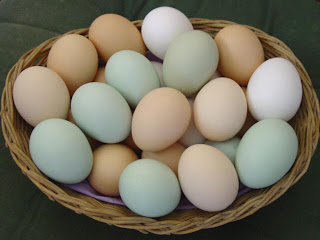
You eat 40 whole eggs per week. 5 to 6 eggs daily at breakfast. You eat them with veggies, really like them and feel full of energy at the gym each time your day starts with an omelet.
But everyone tells you you’re crazy eating so many eggs. They tell you eggs are unhealthy because they’re full of cholesterol. You’ll clock your arteries and die if you continue. Sounds familiar? Truth or myth? Let’s see.
Why People Say Eating Lots of Eggs is Unhealthy. Eggs contain high amounts of cholesterol. 1 large egg has about 200mg cholesterol and 5g of fat. Almost half of that fat is saturated fat.
The logic is that since eggs are high in cholesterol, a high egg consumption will increase your blood cholesterol. So by cutting eggs from your diet, your blood cholesterol will decrease. This, however, isn’t how your body works.
Facts on Cholesterol. You can find studies showing that high cholesterol levels will make you live longer and more immune to infections & diseases than low cholesterol levels. More facts:
* Your Body Makes Cholesterol. Your liver makes 3-6x more cholesterol than you can get eating eggs and other animal products.
* Cholesterol is Vital To Your Body. You need it for the production of steroid hormones like Testosterone and to build & repair cells.
* Dietary Cholesterol Isn’t Bound to Blood Cholesterol. There’s no relation to cholesterol & saturated fat intake to higher cholesterol levels.
Benefits of Eating The Egg Yolk. Eating the yolk makes your life easier since you don’t have to separate it from the egg white each time. Eating the yolk is also healthier for 3 reasons:
* More Vitamins. The yolk is full of vitamins A, D, E. Vitamin D is especially important since most people lack vitamin D.
* Twice The Protein. Eating whole eggs doubles the protein intake you’d get eating egg whites only: the yolk contains half the protein.
* Increased Testosterone Levels. Saturated fat and cholesterol increase testosterone production. Both are heavily present in the egg yolk.
How to Protect Yourself Against Heart Diseases. This is the real concern people have regarding cholesterol. Some things you can do.
* Lose Fat. People with high cholesterol usually have excess body fat. Read the article on fat loss and apply.
* Exercise. This will make you lose fat and improve your health. Check StrongLifts 5×5 if you don’t know where to start.
* Eat Healthy. No more junk food, sodas, artificial trans-fats and refined sugars. Apply the 8 nutrition rules.
* Get Antioxidants. Like berries and green tea. These keep your LDL particles acting normal, preventing blockage in arteries.
* Relax. Stress can negatively influence your cholesterol levels. Relax, take breaks, exercise, think positive,...
Read More


